Agent orchestration
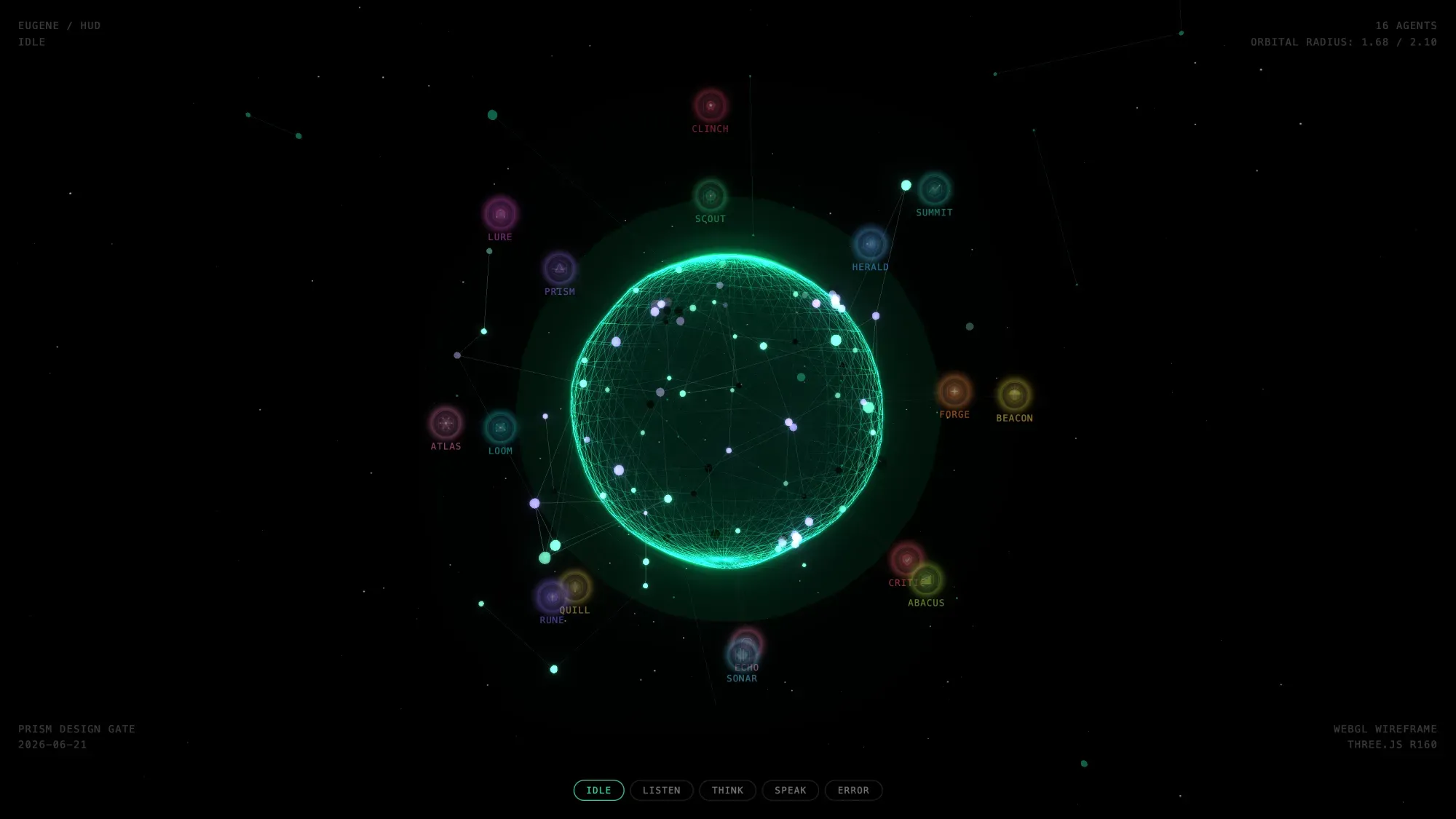
01I run a standing team of specialist agents that spec, build, review, and verify software. One instruction fans them out in parallel and they hand work down a real pipeline.
proof: Field LogProduct leadership plus a personal working AI practice. AI isn't just what I do AT work. I orchestrate teams of agents and ship real software with them that is changing my life and the lives of real people around me.
Brandon Smith
Director, Lead Product Manager of the Enterprise Operating Model
Evernorth Health Services (Cigna)
Named plainly, the way the industry names them. Each one has a build or a result behind it, not a bullet.
I run a standing team of specialist agents that spec, build, review, and verify software. One instruction fans them out in parallel and they hand work down a real pipeline.
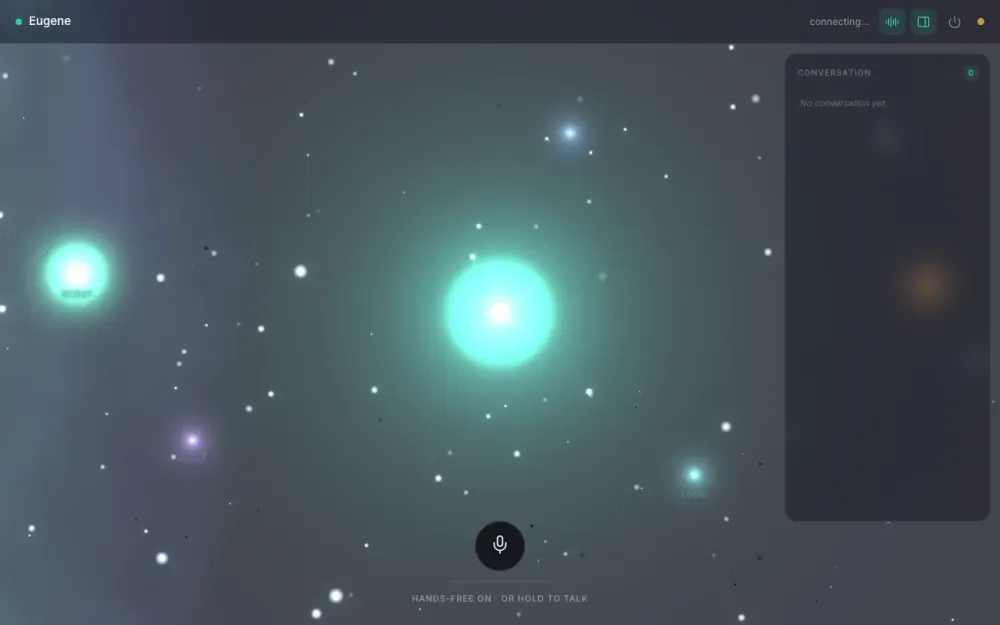
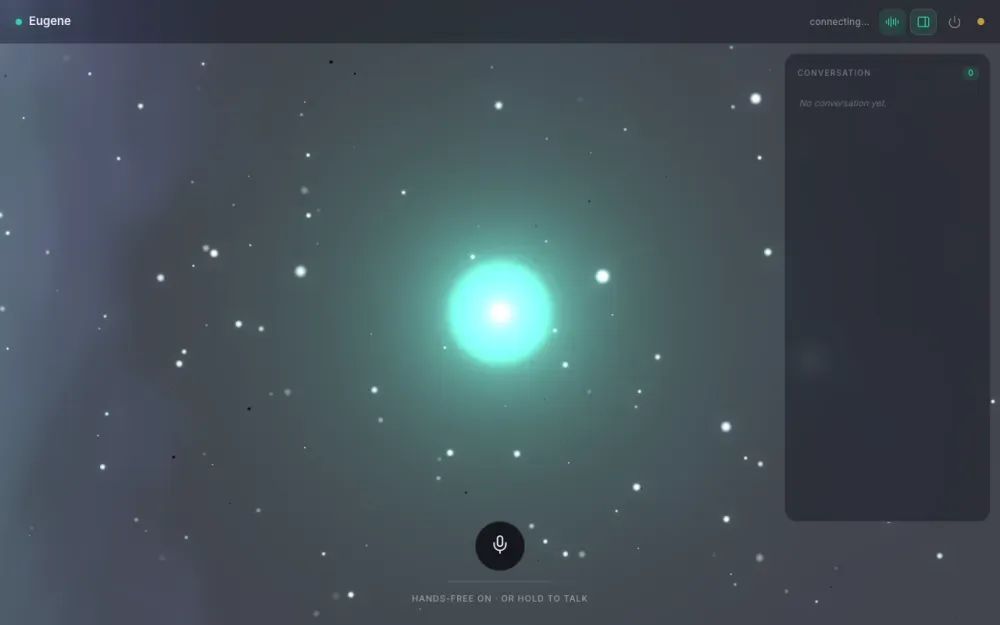
proof: Field LogEugene dispatches detached workers over a stdio-MCP bus. Each agent carries a tuned role, its own toolset, and a permission boundary.
proof: Eugene agent orgPersona-based toolkits, plus a self-knowledge layer that renders an agent's own code into its prompt and drift-checks it on every commit.
proof: self-knowledge layerEvery pilot starts from a measured pre-AI baseline and ships with evals. I report lift against the baseline, not demo-day vibes.
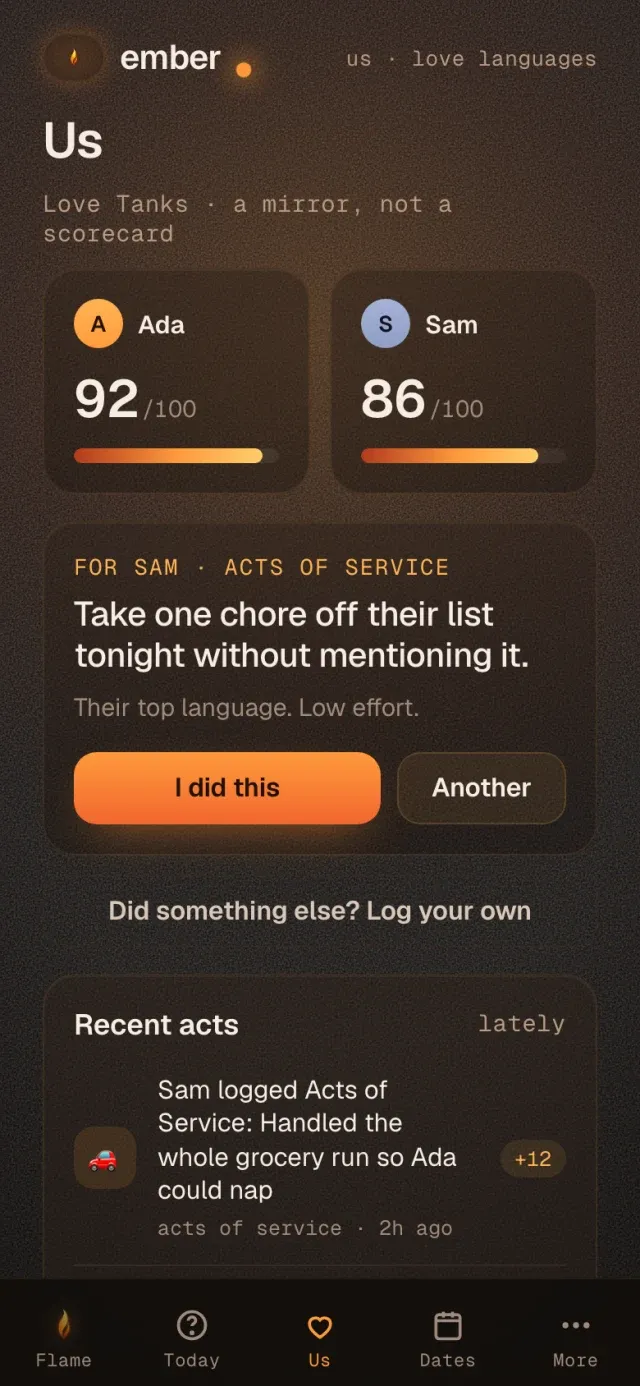
proof: pilot methodEight production apps in daily use, built end to end with an AI toolchain. Discovery to deploy on real stacks, shipped to real users.
proof: the builds belowEvidence over assertion. Render-and-probe checks, live smoke tests, and defect ledgers gate anything before it ships.
proof: verify toolingAI without adoption is a demo. Product management is how a working model becomes something people rely on. Four questions decide it: is it valuable, is it viable, is it usable, and can we actually build it.
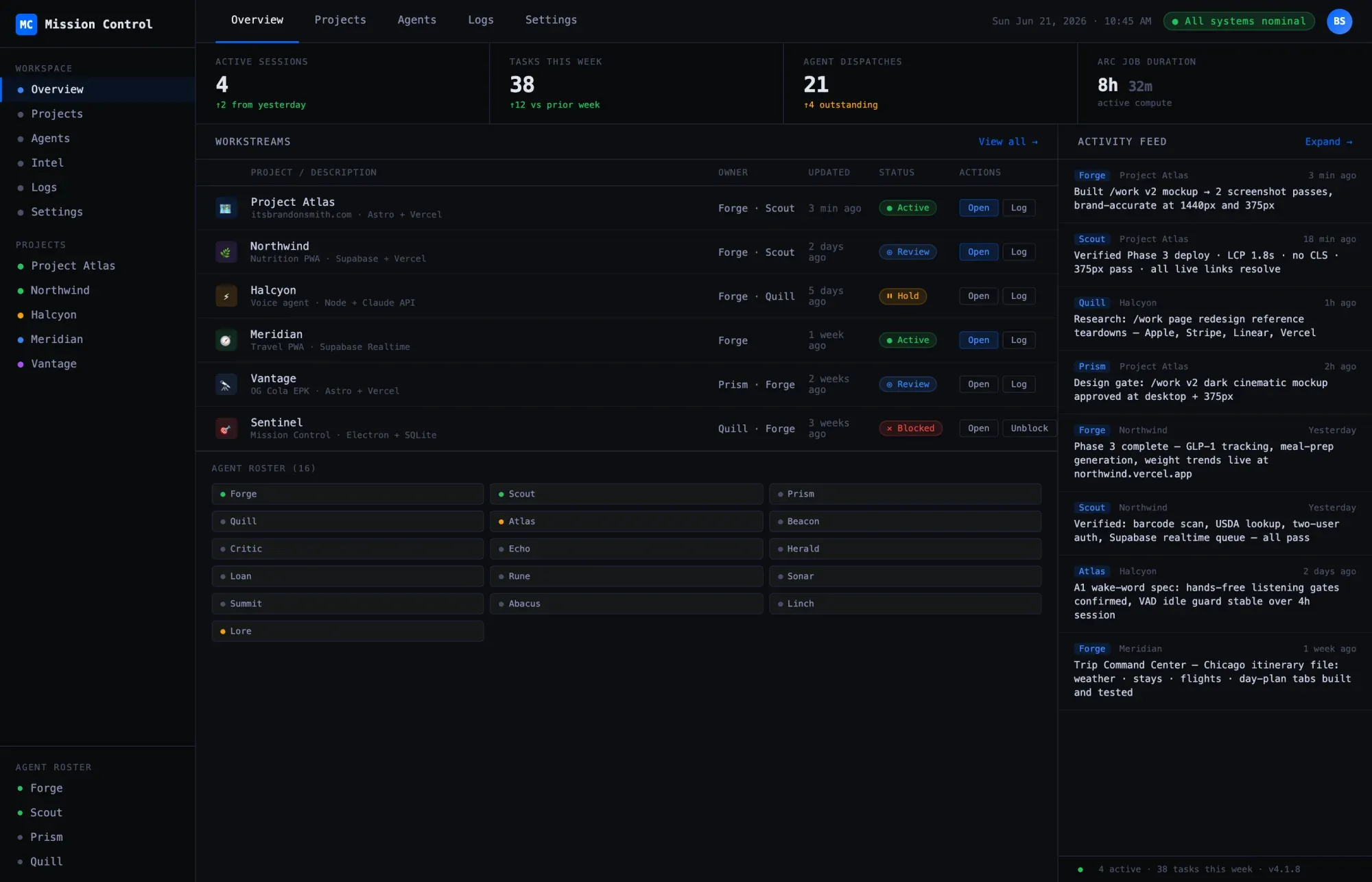
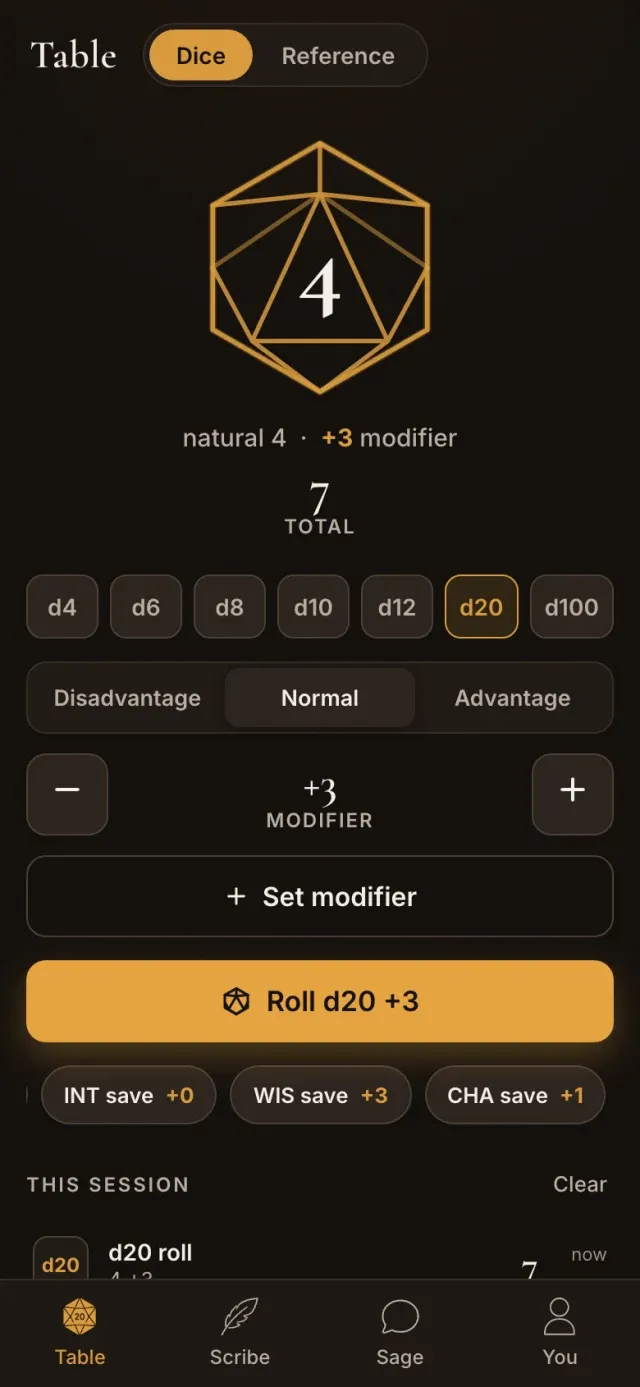
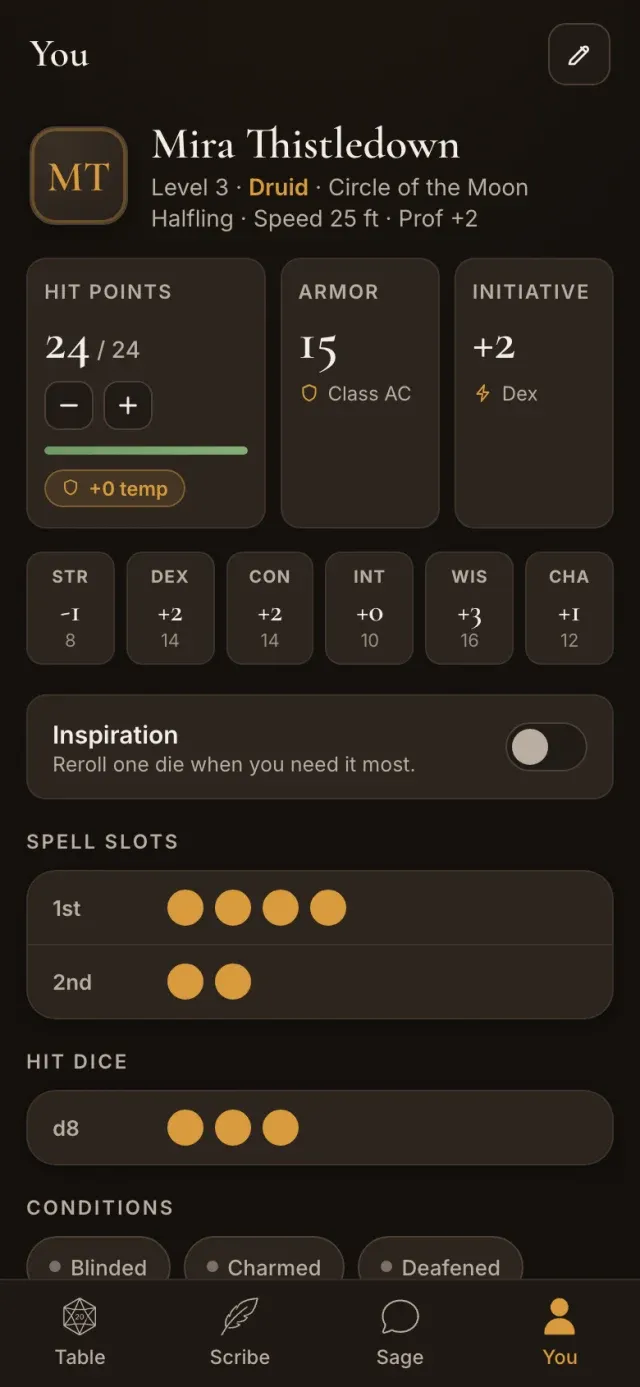
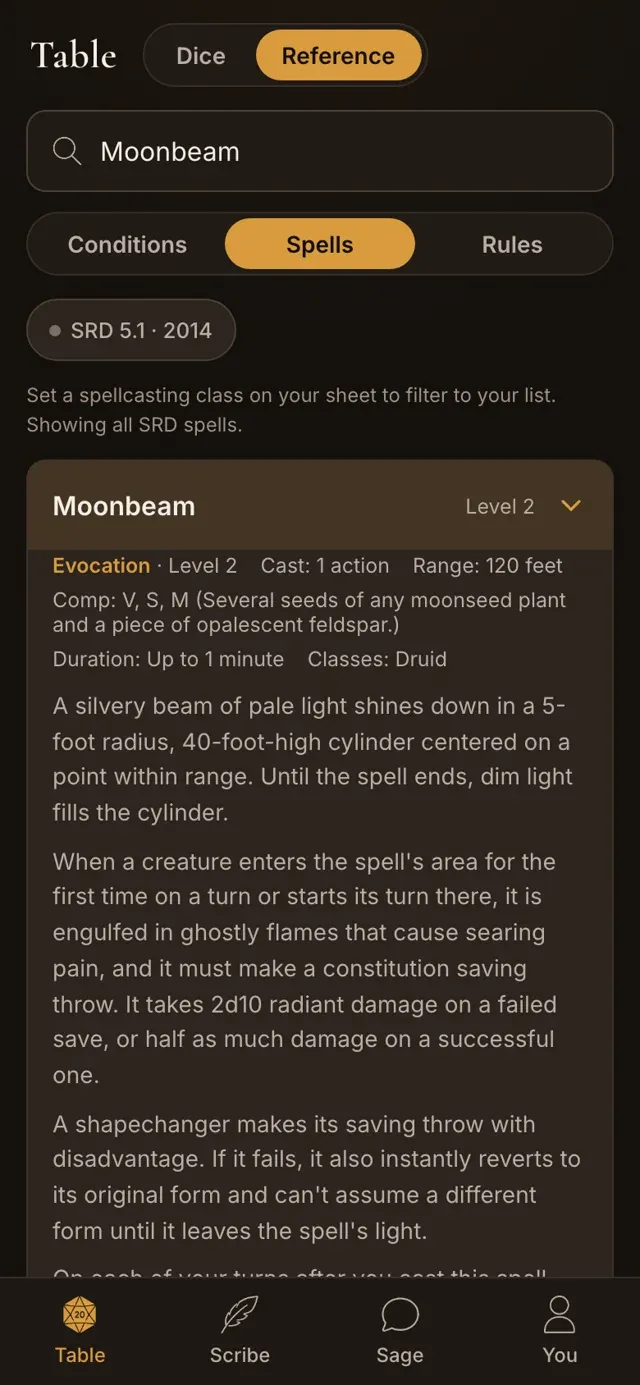
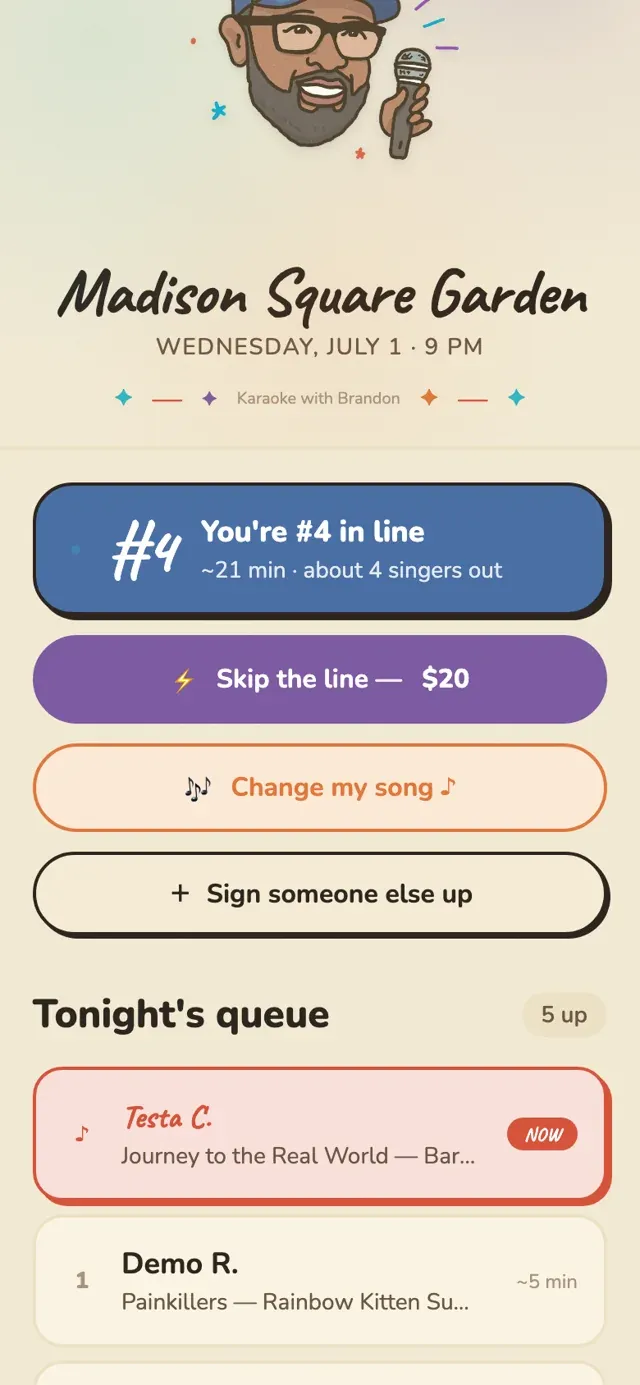
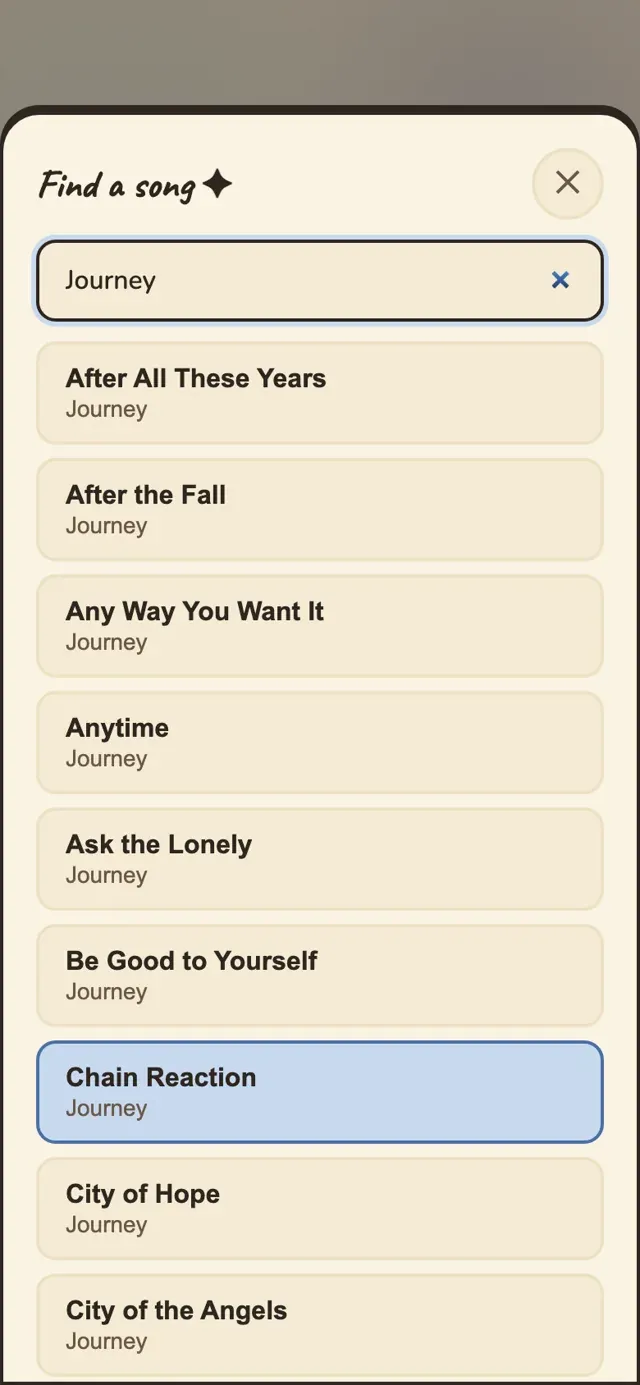
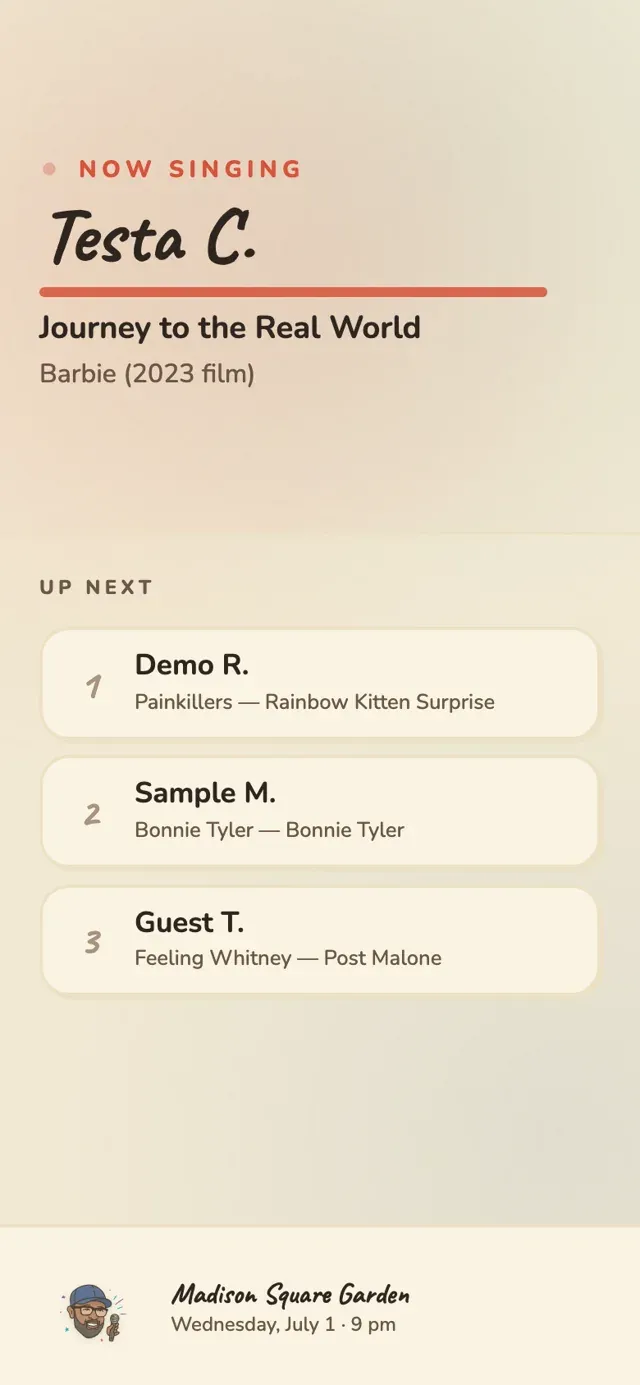
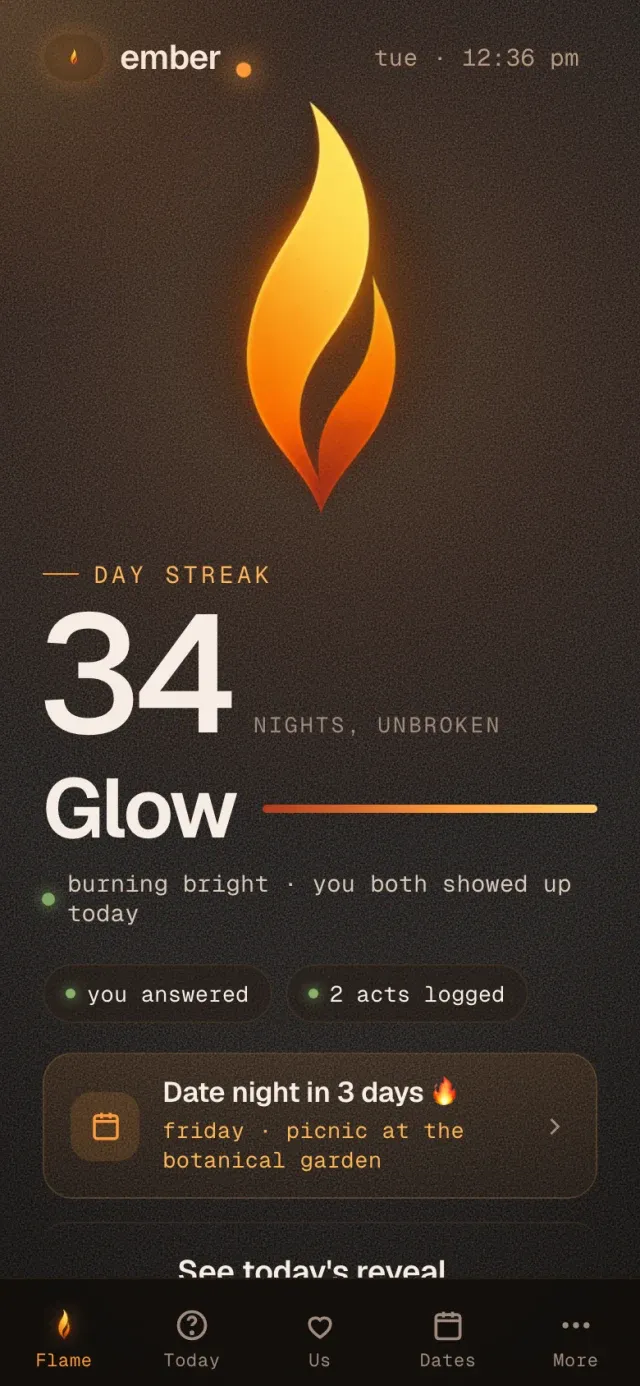
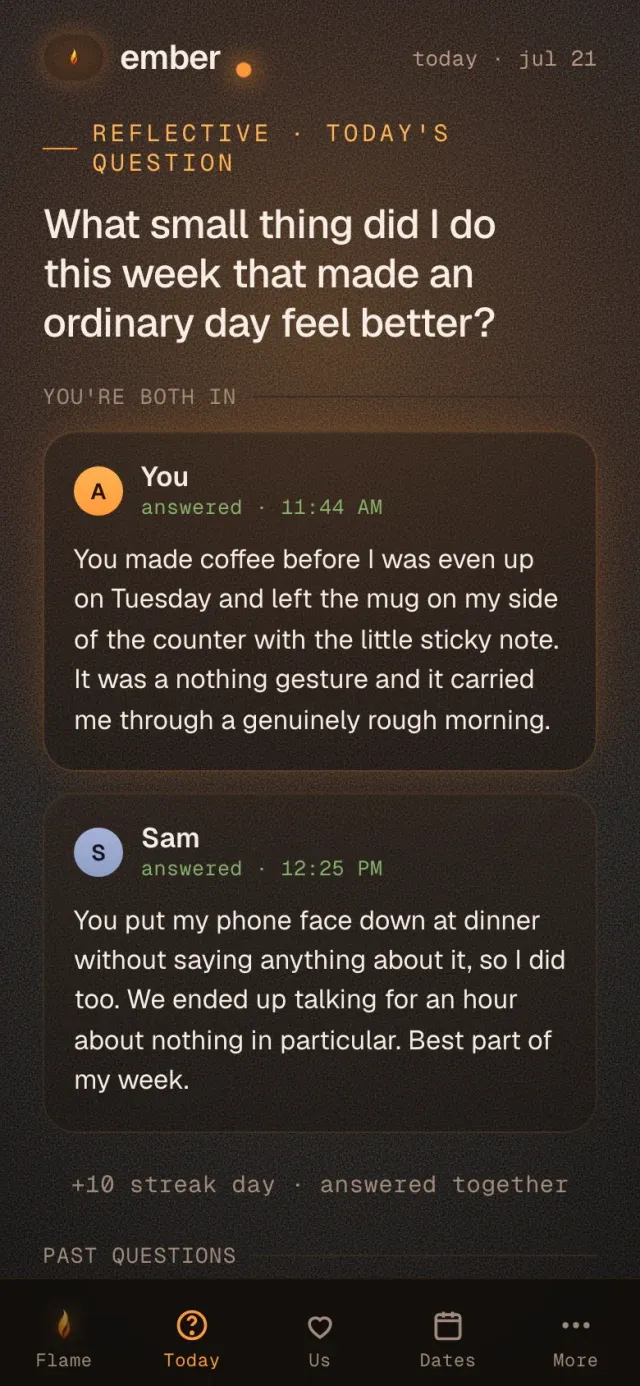
The Field Log is where the practice is written down: what the agent team shipped, the stack and technique inside each build, and the lesson each one cost me. Thirteen entries, updated as I ship.
Read the Field Log